Blood Money – Vol. 1, Chapter 2

Traditional life insurance is generally considered impermissible (haram) by Islamic scholars, but Sharia-compliant alternatives like Takaful exist. Despite that, we will continue to train and develop insurance agents while selling products based on the needs of our clients.
Conventional policies conflict with three core pillars of Islamic finance:
- Riba (Interest/Usury): Standard insurance companies invest premiums in interest-bearing assets and pay returns generated from interest.
- Gharar (Excessive Uncertainty): Contracts feature heavy ambiguity regarding timing, payment amounts, and speculative risk.
- Maysir (Gambling): Paying small amounts for a speculative, high-value payout based on chance resembles gambling.
I’ve been a licensed Insurance Agent since January 11, 2025, almost a year and a half now. I’ve formally been Muslim for about two months, and when I first reverted, I considered abandoning my insurance career for something more halal.
Then I looked in the mirror, looked at a few obituaries, and read some of my notes, and I realized that I was about to make a huge mistake. I worked extremely hard to pass the insurance exam and get my license. I should be using it more, not less, and if I’m being completely honest about why I wanted to change careers, it had less to do with me and more to do with the woman I was engaged to.

When I met her, she told me she had her insurance license, which was one of the main reasons I pursued a relationship with her. I didn’t even think to check and see if she was being honest or not, despite it being an extremely simple task to verify someone’s insurance license. All you have to do is type in their name here:
https://licenseesearch.fldfs.com/
If I’m being completely honest, I was somewhat distracted by her beauty and her interest in me, and my interests weren’t entirely professional— there was something about her that I made me want more, and it wasn’t until I listened to the Adhan that I finally understood.
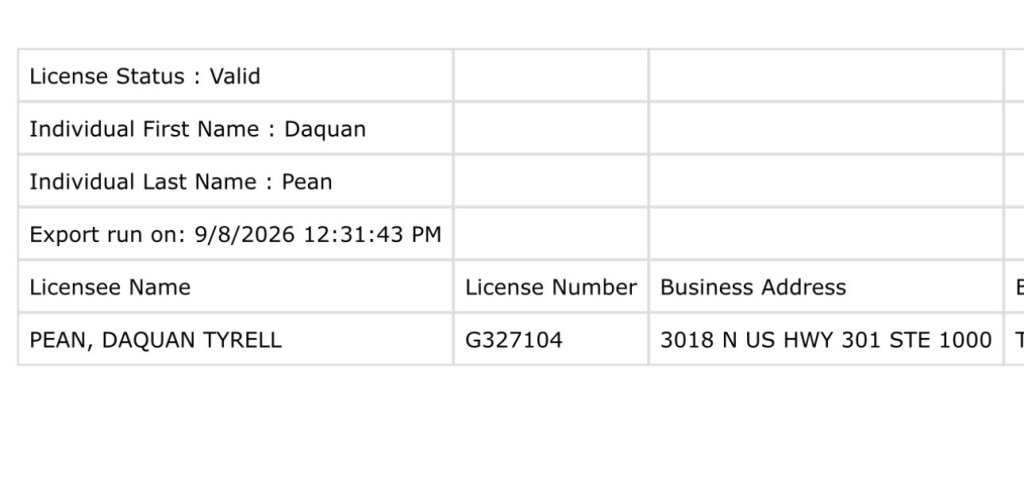
Here are the results from the search when you type in my name and no other information. You can find my license number, my email address, and the address to the office that I used to work at (which was the same place that I met her). I have to update the address to my new office, but I’ll work on that this weekend.
I invited her to come work with me but she declined. She claimed that “Life Insurance is Haram” and at first I agreed with her, and took a step back from the insurance space, and instead spent more time at the mosque. Around this time I attended a Janaza for the first time.
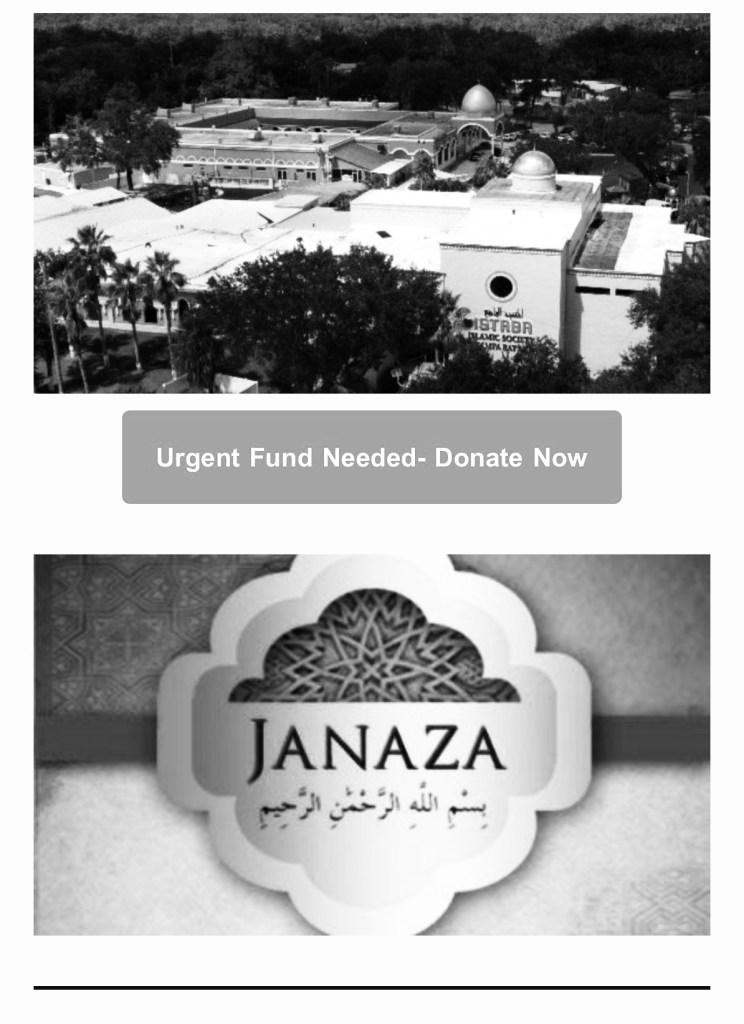
The wild thing about the Janaza I attended was that the Imam (or leader) did not hold back his criticism for the deceased. He made a point to tell the entire congregation that it is foolish to be an elderly man without a will. I knew I was in the right place. He stressed the importance of preparing for the Day of Judgment in a literal sense; having your affairs in order, especially if you are above the age of 55, if you are married, own a home, or if you have dependent children.
Coincidentally, all of the above are my target market.
A few days later, in-between the Magrhib and Isha prayers, he talked a little bit about his experience with the healthcare system. He talked a bit about his health insurance and doctors and while I wasn’t in a position to set an appointment, I paid close attention to what he was saying. He ended up saying something extremely profound. He said:
“Just because a person is a Muslim doesn’t mean they are an expert on a subject. If I need a doctor, I can’t just trust someone because they are Muslim! If I need a barber, I can’t just trust someone because I’ve seen them at the mosque or because they say “Bismillah” before they eat or drink. The same way I need my doctor to be a qualified doctor first and foremost, I would need my barber to be a qualified barber before I allow him to cut my hair.”
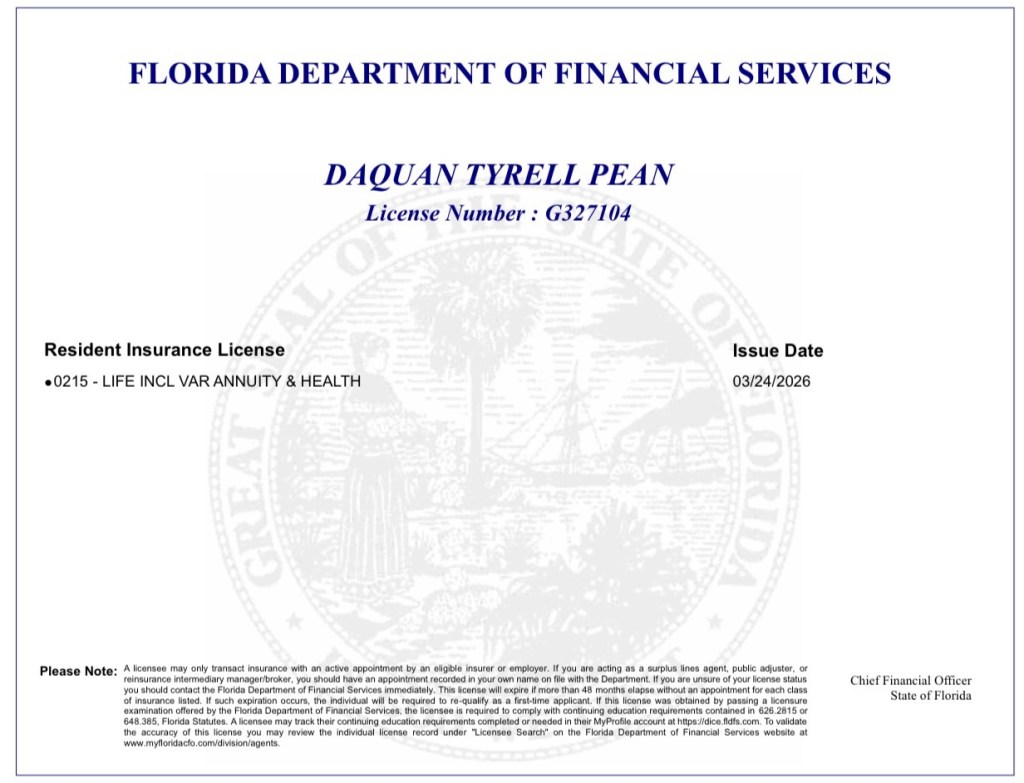
When it comes to life insurance, I am the expert.
I am the one with the license and experience in the field.
I probably should focus more on being a CLU than a CPA, but I don’t want to talk about my goals as much as I want to focus on education and building an audience.
Takaful is a decent concept but it’s not infallible.
Additionally, not everyone in my community is Muslim, so there are prospects and clients beyond the veil of Islam, so to speak. One of the reasons I became an Insurance Agent in the first place was because I had a friend who started a GoFundMe (which is the same thing) and while it raised some money, it didn’t cover the full thing.
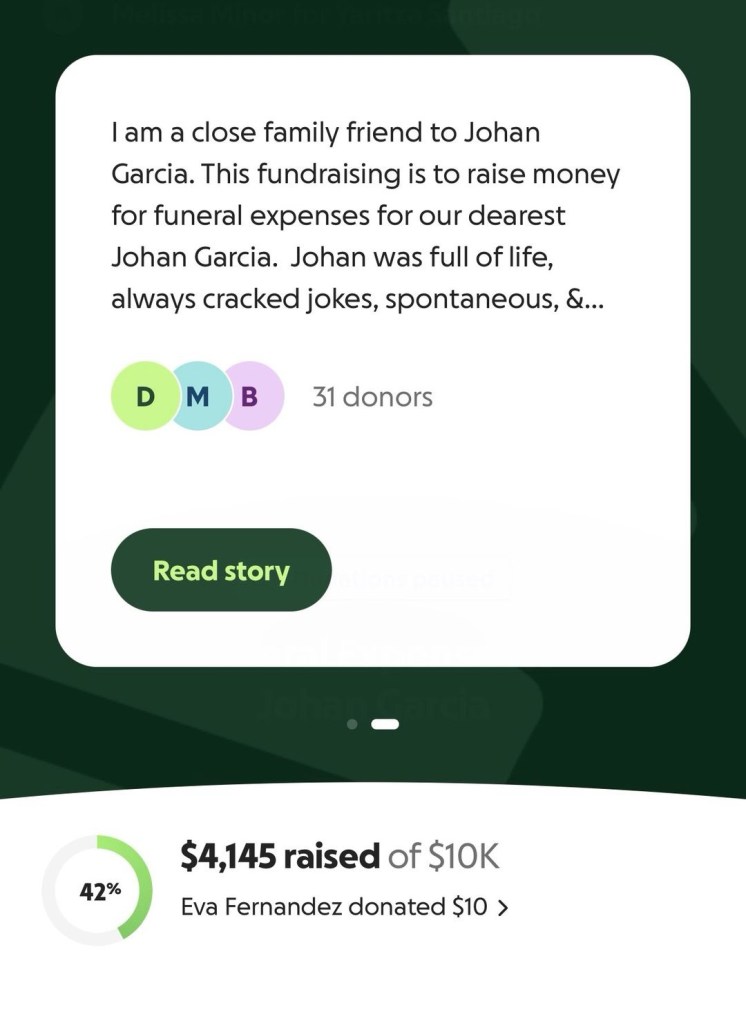
The price of the Janaza is typically standardized, and costs exactly $5,900 last time I checked, meaning this would have underperformed even at those standards.
Some scholars view basic term life or employer-provided coverage as permissible when used strictly for essential family protection or debt coverage rather than wealth accumulation, provided the structure minimizes non-compliant investments.
A major portion of whole life premiums goes into cash-value savings and bonds, which yield interest-based returns prohibited in Sharia.
Dividends are halal (permissible) in Islam when they come from a Shariah-compliant company that passes standard business and financial screens. Because a dividend represents a direct share of actual business profit rather than a fixed, guaranteed return on a loan, the payout mechanism itself aligns with Islamic economic principles.
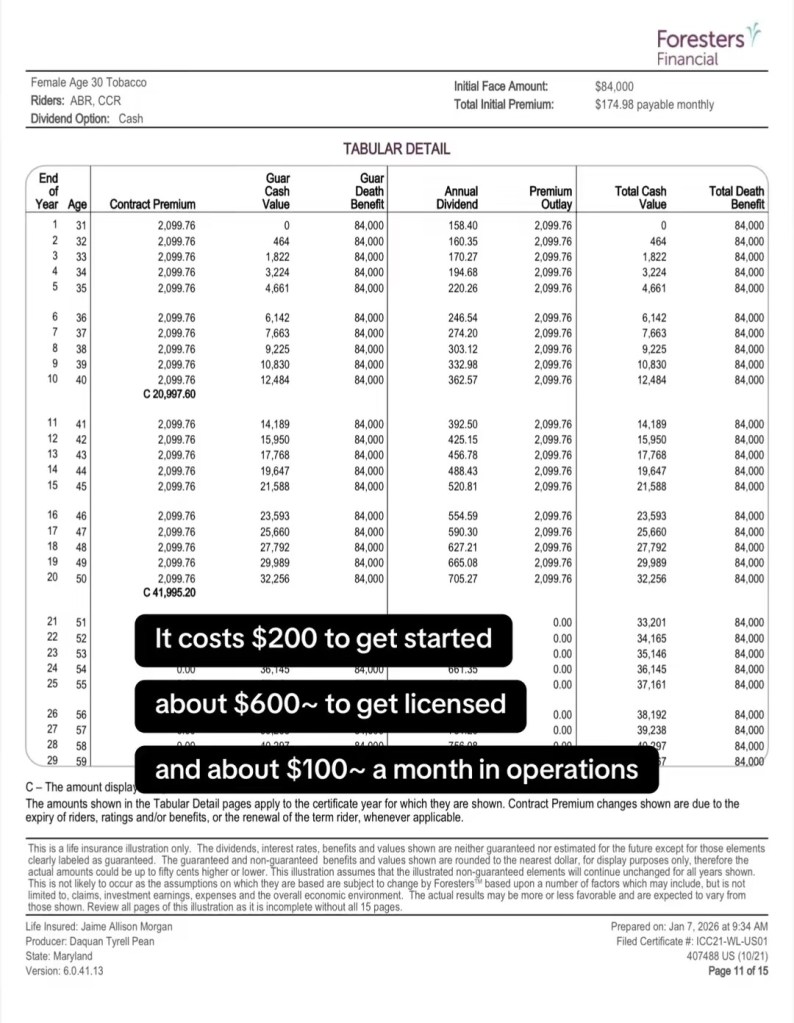
For a dividend payout to be considered lawful, the underlying company must meet specific criteria:
- Permissible Business: The core operations must avoid forbidden (haram) sectors like conventional banking, alcohol, gambling, pork, and adult entertainment.
- Low Debt: Total interest-bearing debt must generally stay below 30% of the company’s market capitalization (or total assets, depending on the standard used).
- Minimal Impure Income: Revenue derived from non-compliant sources, such as incidental interest, must remain under 5% of total revenue.
If a compliant company earns a minor percentage of non-compliant income (for example, 2% of its revenue comes from bank interest), a matching percentage of the received dividend must be “purified”.
- You calculate this impure fraction and give it away to charity.
- The remaining portion of the dividend is clean and permissible to keep.
- Specialized screening platforms like Zoya, Islamicly, or Musaffa can help track these non-compliant ratios.
Protecting health and life is one of the foundational goals (maqasid) of Shariah law.
Government-sponsored healthcare programs like Medicare and Medicaid are fully permissible for Muslims to use because they function as public welfare rather than commercial insurance.
Programs like Medicare are funded by taxes and public funds, similar to the historical Bayt al-mal (public treasury) used in early Islamic societies to care for the elderly, poor, and disabled. Scholars agree these are lawful and beneficial.
Private health insurance often involves gharar (uncertainty) and riba (interest). However, many contemporary scholars permit private coverage under the principle of darura (necessity) when medical costs are high and no widespread Shariah-compliant alternative (takaful) is available.

In summary:
- Medicaid and Medicare are always permissible
- Life Insurance is permissible if offered by an employer, or if used for essential family protection or debt protection.
- Dividends are permissible when they come from a Shariah-compliant company that passes standard business and financial screens.
The most important thing is the will.
If a Muslim passes away in the United States without a will, the distribution of their assets is not decided by Islamic law. It is decided by state law.
That distinction is critical. In the U.S., when someone dies without a will, their estate goes through what is called intestate succession. Each state has its own rules, but the core idea is the same: the government determines who inherits and in what proportions.
For Muslim families, this often leads to outcomes that do not align with Islamic inheritance principles.
 🩸
🩸 
Leave a comment