A History of Blood – Vol. 1, Chapter 2
Marriage.
Marriage is a business.
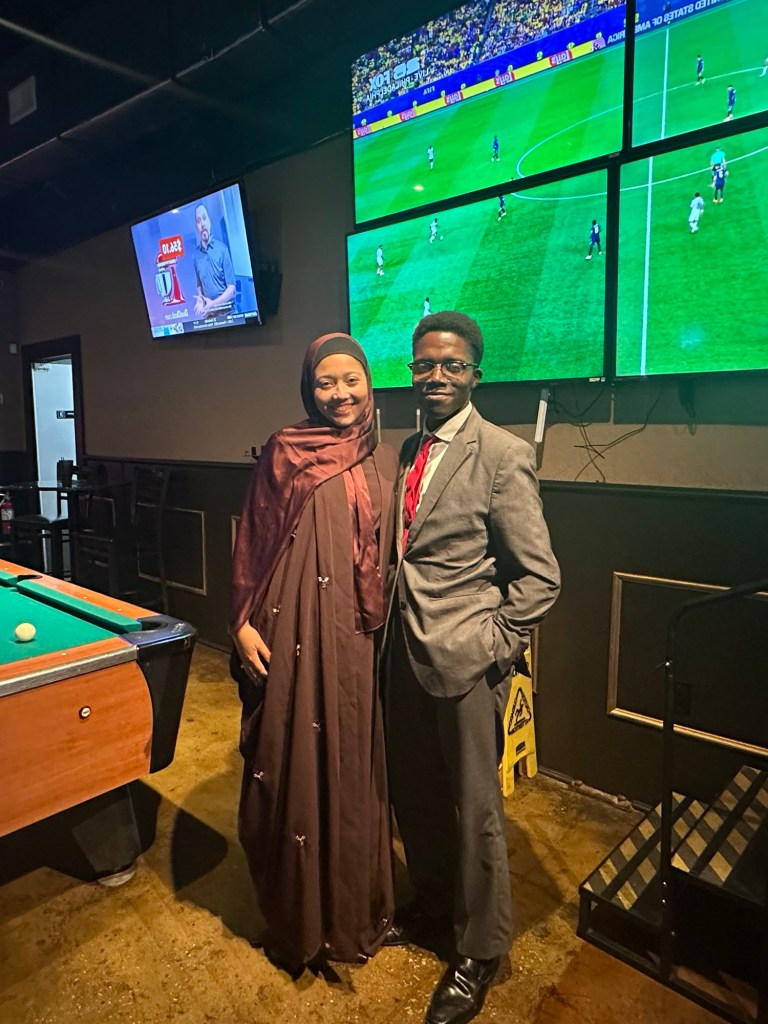
Today’s article is going to be all about one of the most important decisions in a young professional’s life: who they will choose to marry.
Marriage [in Islam] is a sacred legal contract and a profound spiritual path often described in prophetic traditions as completing “half of one’s religion” (deen). It serves as a moral safeguard, a means to control human desires, and a framework for building a righteous family life.
Some of the Core Concepts of [Islamic] Marriage are as follows:
The Nikah Contract: A formal, binding verbal and written agreement requiring mutual consent, witnesses, and the gift of mahr (dowry) from the groom to the bride.
Guarding Chastity: Marriage provides a lawful (halal) way to fulfill physical needs, helping a person lower their gaze and protect themselves from temptation.
Shared Purpose: Partners support each other’s spiritual growth, share family responsibilities, and raise children in a stable, Islamic environment.
Character Building: Living closely with a spouse teaches patience, forgiveness, sacrifice, and self-accountability.
Here’s what some internet experts say about marriage (courtesy of r/Islam):
Ah, the age-old saying about marriage completing half of one’s religion – it’s like saying you’ve built the foundation of a house, but remember, the house isn’t complete without the walls, roof, and all the interior work.
So, what’s this all about? This concept is derived from a hadith of the Prophet Muhammad (peace be upon him), who said: “When a person marries, he has fulfilled half of his religion, so let him fear Allah regarding the remaining half.” (Hadith, Bayhaqi). This doesn’t mean that marriage literally constitutes 50% of religious practice in Islam. Rather, it emphasizes that marriage is a significant aspect of a Muslim’s life, encompassing a wide range of responsibilities and moral obligations that align with Islamic teachings.
Marriage in Islam is about more than just companionship; it’s a moral safeguard and a means to fulfill various social and ethical duties. It involves maintaining chastity, building a family on Islamic principles, raising children, and providing a stable and nurturing environment.
Now, what about the other half? The other half encompasses the rest of your religious duties – prayer, fasting, zakat (charity), hajj (pilgrimage), upholding justice, kindness to others, personal development, and so on. It’s about your continuous relationship with Allah and your journey to live a life pleasing to Him.
Regarding those who can’t get married or die before they can, remember that Allah judges each individual based on their intentions and capabilities. The Quran says, “Allah does not burden a soul beyond that it can bear…” (Qur’an 2:286). So, if someone is unable to marry due to circumstances beyond their control, they are not held accountable for that. Allah, in His infinite wisdom and mercy, knows the unique struggles and paths of each individual.
In summary, the saying about marriage completing half of your religion is more about highlighting the importance of marriage in a holistic Islamic life, rather than a literal division of religious practice. It’s a reminder of the comprehensive nature of Islam that guides every aspect of life, including marriage.
Since I really like the subject, I’ll provide another example:
the hadith of the Prophet SAWS that goes along the lines of ” I guarantee djenna to the person who can guarantee me 2 things : guarding his private part and guarding his tongue “. Therefore, by marrying you pretty much have 1 of the 2 conditions of djenna on lock, because it is reasonably easy to safeguard your private parts when you have the outlet to satisfy the need related to them in a permissible way, as opposed to being constantly tempted by Zina/Porn/etc.
Also, marriage is half the deen because it opens up a lot of opportunities to get acts of charity on a daily basis for both the husband and wife, and those act of charity can weight heavy in the balance on the day of judgement.
Finally, marriage is an opportunity for companionship and perspective, input, evaluation of your character to help you purify your heart by reflecting each others behaviors and working on having better attitude and treatment of others, learning patience and compassion and tolerance and compromise.
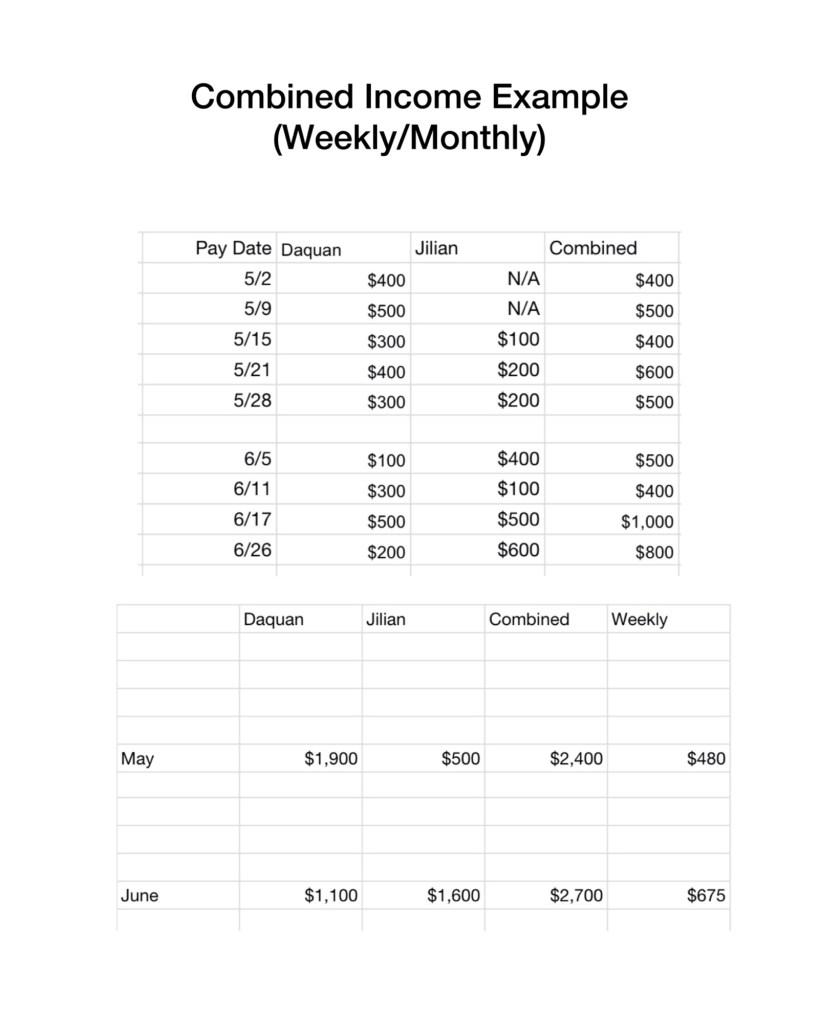
A few days ago one of the agents on my team asked me for help with her accounting. She had never really been good at keeping track of how much money she made (even though she made good money) and I’ve always kept pretty good track of how much money I’ve made, with the notable exception of the very beginning of my career, where I didn’t keep track of how much money I made unless the check had a “comma” in it.
After putting together the above example, I figured it would interested to put together another example, from the time I was more successful yet less organized. The numbers tell a very interesting story (in both cases) but I wanted to stress the importance of the things you can’t see with income alone (such as scheduling or expenses) while summarizing the pros and cons of both of these wildly different approaches to “marriage”.

(I’m not married to this girl either, I am also using her as an example)
The top illustration could be described as a DINK, or a double-income, no kids household. In the top example, our example couple both work, and both work in the same office, although individually they don’t make very good money. The amount of money they make fluctuates, and there are weeks where one partner makes a decent check while the other one doesn’t, but there are also weeks where both partners make decent checks. The beauty of this setup is that the couple gets to spend a lot of time together. They see each other both at work, and at home, and while home life might not be full of glamour, it is full of peace and quality time, where the couple focuses on each other and low-cost activities that allow them to deepen their relationship; they read books together, they cook together at home, they clean the house together, they watch movies on the couch, and it’s almost like they live in their own little world once they get home from work.
The bottom illustration could be described as a SINK, or a single-income, no kids household. In the bottom example, only one of the example couple works. The breadwinner works long hours while the other partner does whatever they want. The amount of money is fairly consistent, and enough to afford certain luxuries that other couples can’t afford. The trade off, is that this couple very rarely spends time together, while there is also a fundamental disconnect between the two parties. The downside of one party doing all the work is that it’s harder to maintain a mutual sense of respect. More often than not, the breadwinner tends to disrespect the other person. They feel that the money gives them power, that it makes them entitled to behave a certain type of way. It doesn’t matter if the breadwinner is a man or a woman.
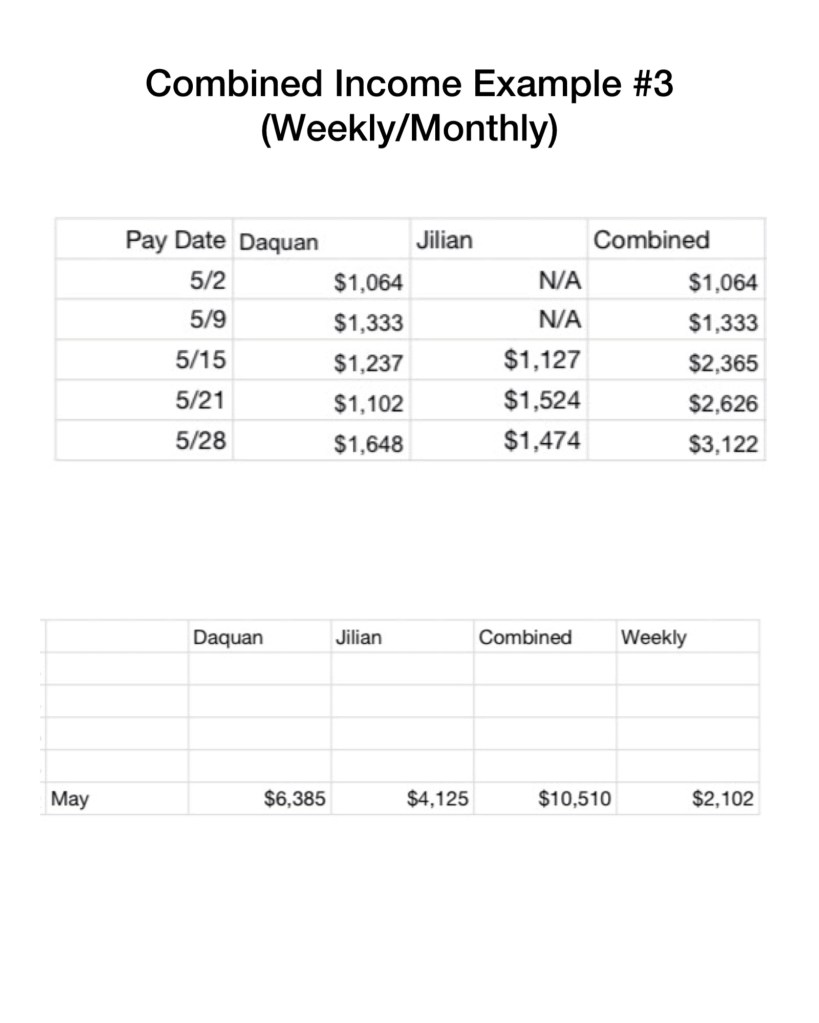
The third and final illustration combines concepts from the first and second illustrations. It’s really just the same couple from the first illustration, a bit further into their careers. They still both work, they still both work in the same office, and individually they make great money. While there was a financial need for each other at the beginning of their relationship, that need is long gone, and they continue working together both because they enjoy what they do and they are interested in seeing how far it can go. The beauty of this setup is that the couple still gets to spend a lot of time together. By this point in their relationship, everyone knows they are together. They see each other both at work, and at home, and now, their life is full of glamour. It still has peaceful moments and quality time, but their time is split between each other and their community. Rather than focus on low-cost activities that allow them to deepen their relationship, they give more to charity, they spend more money on making memories and including their friends, while preparing to grow their family with children. When the children finally arrive, they may become a SINK household, so they are planning to maximize the amount of money they can make together, at least until that time comes.The third and final illustration combines concepts from the first and second illustrations. It’s really just the same couple from the first illustration, a bit further into their careers. They still both work, they still both work in the same office, and individually they make great money. While there was a financial need for each other at the beginning of their relationship, that need is long gone, and they continue working together both because they enjoy what they do and they are interested in seeing how far it can go. The beauty of this setup is that the couple still gets to spend a lot of time together. By this point in their relationship, everyone knows they are together. They see each other both at work, and at home, and now, their life is full of glamour. It still has peaceful moments and quality time, but their time is split between each other and their community. Rather than focus on low-cost activities that allow them to deepen their relationship, they give more to charity, they spend more money on making memories and including their friends, while preparing to grow their family with children. When the children finally arrive, they may become a SINK household, so they are planning to maximize the amount of money they can make together, at least until that time comes.
The biggest reasons people get a divorce are infidelity, domestic abuse, and substance abuse. That being said, a lack of commitment, financial problems, and constant arguing or bickering can also be core issues that threaten the marriage, and by extension, your business, and by further extension, your family.
Money is the easiest problem to solve in a relationship. In the beginning, both parties should be working, provided they are working in the correct fields and environments. If one party is incapable of working, that is completely fine, but it’s a different issue if one party is unwilling to work, especially if the right job or business opportunity presents itself. As the relationship develops, one party can naturally transition into taking care of the home, depending upon how it takes for “home” to be established.
Islam permits women to work and manage careers, provided the employment is ethical, maintains modesty, and does not interfere with primary family responsibilities. Historically, women in early Islam engaged in business, medicine, and nursing. Today, scholars outline several conditions for female employment, including requiring a husband’s permission and avoiding prohibited (haram) work environments.
Throughout Islamic history, women have held significant economic and occupational roles. As detailed on Wikipedia, the Prophet Muhammad’s first wife was a highly successful and wealthy businesswoman. Other prominent figures actively worked as medical practitioners and educators in early Islamic society. Perspectives within the modern Muslim community vary. Some interpret traditional constraints strictly and advise against working outside the home if it causes women to face situations where free mixing of genders is unavoidable. However, a broader consensus among scholars, accepts that women can work to support their households, provided they fulfill the required conditions of modesty, permission, and balance.

If I’ve learned anything over the course of writing this article, it’s that when choosing a spouse, it’s extremely important to have an understanding of their financial situation prior to the marriage [or during the engagement]. Marriage combines the income and expenses, and while this article focused mostly on income, the next article will focus more on expenses, and how important it is to maximize income while minimizing expenses. I’ll probably also include some helpful strategies that I’ve found that work for me to keep my expenses manageable.
It costs money to be an Insurance Agent, and you’ll have to pay these expenses prior to making income, which is one of the challenges of getting started in the industry. Overall, it costs about $400-$500 to get your Insurance License, assuming you pass the test on the first try. That is the first and most important business expense, the rest we will get into at a later date.
 🩸
🩸 
Leave a comment