Blood Money – Symbols and Uniforms

ASB Financial, like many insurance companies, has created a unique form of identification
including language, apparel, art, and design. We have a straightforward marketing and advertising strategy.
Our traditional colors are red, black, and white, with other contemporary colors such as navy or gray in a professional setting, or woodland, or desert, or urban camouflage in a tactical setting. More important than the colors used however, is the type of uniform being worn.
We focus on the following Dress Codes:
- White Tie /Black Tie
- Business Formal
- Formal / Cocktail
- Business Casual (Winter / Summer)
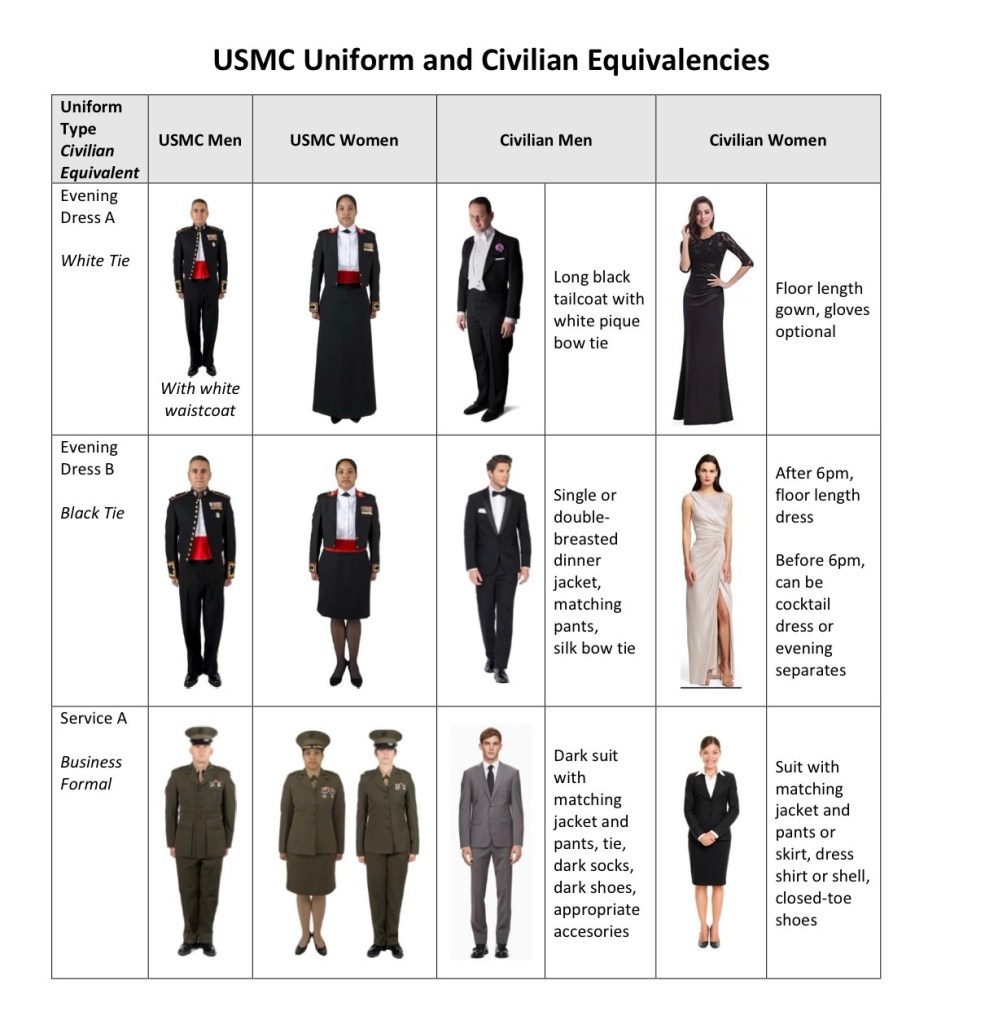
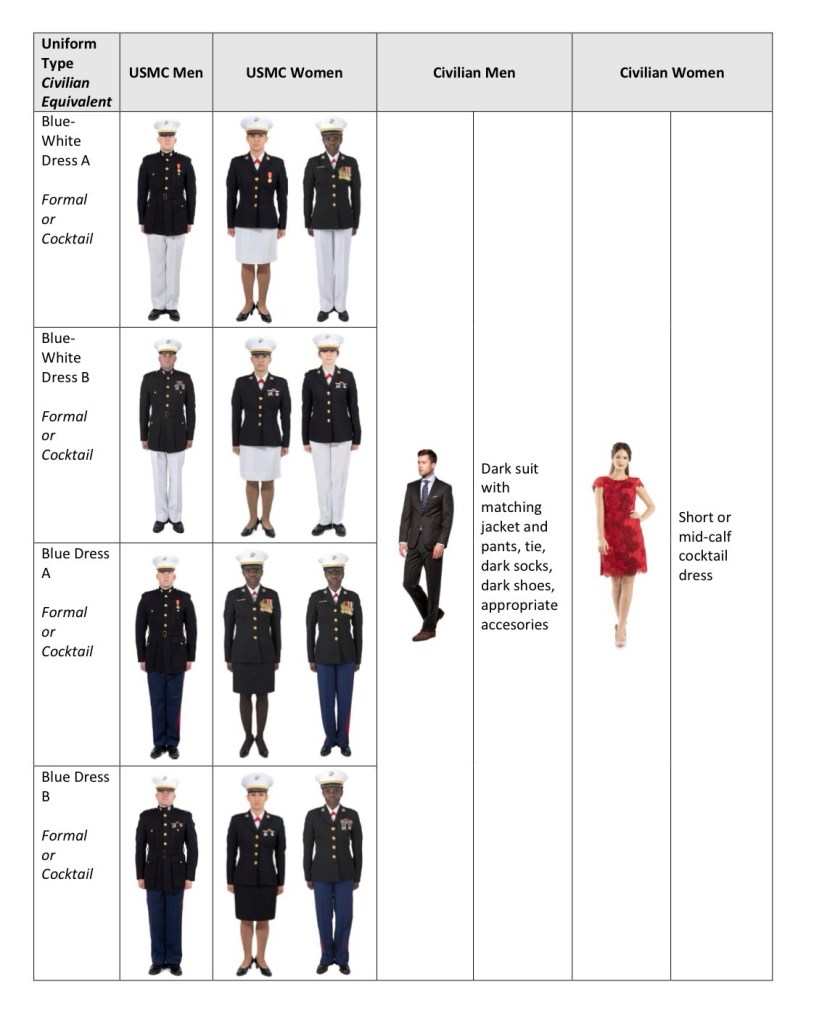
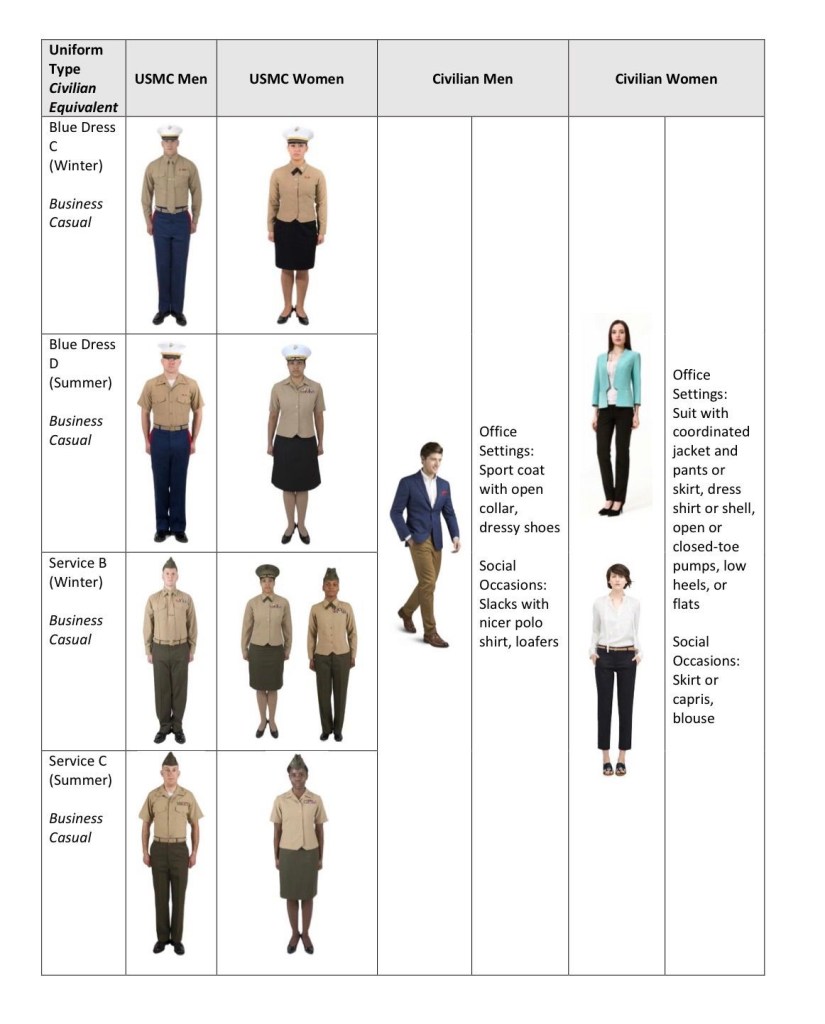
Additionally, the following dress codes are typically unisex:
- Combat Training (Field Work)
- Physical Training (Lougewear)
- Specific Teams, Sports, or Campaigns
Wearing a suit every day can work very well for an insurance agent, but it is much less practical for most security-guard assignments, as well as the physical or combat training that is associated with physically demanding jobs.
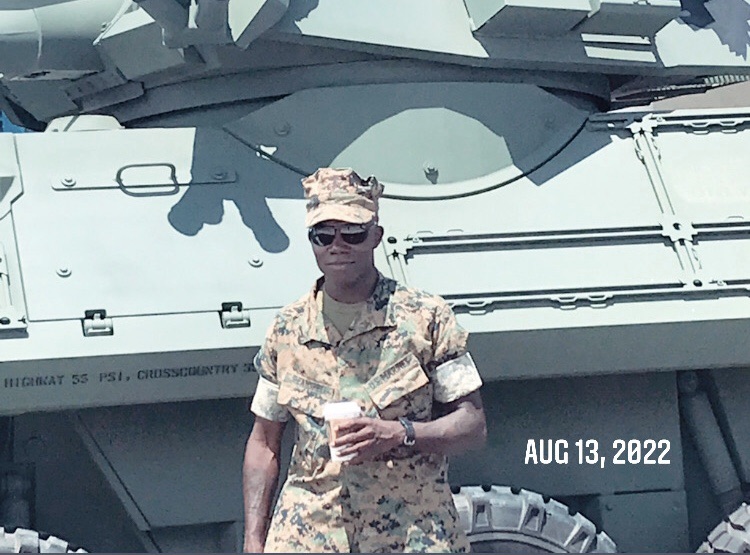
The key is to treat the suit as part of your professional identity rather than wearing exactly the same outfit in every situation. The idea is to create a consistent visual image.
As an insurance agent
A daily suit can become your personal brand.
A consistent look could be:
- Dark navy, charcoal, or black suit
- White or light-blue dress shirt
- Black or burgundy tie
- Black leather belt and dress shoes
- Simple silver watch/accessories
- Professional glasses
- Well-groomed haircut and facial hair
- Suit jacket removed when doing desk/office work
You don’t need an expensive wardrobe. 3–4 suits + 6–8 shirts + several ties can create many combinations.
Your image communicates:
“I’m prepared, professional, and I’m here to handle important financial decisions with you.”
For Medicare, final expense, retirement planning, and life insurance, that can be particularly useful when meeting clients face-to-face.
In my experience, wearing a suit also helps when meeting clients before they become clients. Simply wearing a suit makes you more approachable to the right people and less approachable to the wrong ones.
“Attraction over promotion” is a fundamental public relations policy that is both a tradition in my personal life, and a cornerstone of my professional one.
Drawing people in through my personal example, quiet deeds, and the proven healing power of recovery, and the spiritual foundation that is required to be successful long term, whether you focus on your professional life or your personal life (as they are the same thing to me).
Earlier in my career I learned a painful lesson: self-promotion or seeking public applause leads to ego, controversy, and reliance on fallible individuals rather than the relationship itself. If a high-profile member quits in the public eye, aggressive promotion could cause the public to view the entire program as a failure.
It was a lesson that lead to unrequited love.
As a security guard
It depends heavily on the assignment.
Suit-and-tie security makes sense for:
- Corporate offices
- Hotels
- Executive protection
- High-end residential buildings
- Churches/mosques
- Banks and financial offices
- Private events
- VIP/event security
- Front-desk security
For those positions, a professional suit can actually be part of the job. That being said, it’s worth noting that it’s important to understand that the perspective here is not wearing a suit because of “work”, but rather wearing a suit as our default attire, and only changing out of the suit when work specifically requires to do so. For example:
For:
- Construction sites
- Warehouses
- Retail loss prevention
- Outdoor patrol
- Night patrol
- Industrial facilities
- Jobs requiring substantial physical activity
For the above, a suit is generally impractical. A company uniform, tactical-style or military uniform, or other prescribed clothing may be required.

Building a two-mode professional identity
Insurance mode
Suit + tie + dress shoes + professional portfolio
Executive/security mode
Suit + tie + discreet professional security equipment where permitted and required by the employer
Patrol/security mode
Employer-required uniform + appropriate footwear/equipment
This gives you a recognizable professional identity without sacrificing functionality.
If you’re comparing wearing a suit every day versus casual clothing, especially for your character and setting, the difference is more than just appearance.
Wearing a Suit Every Day
Advantages
- Creates a consistently professional appearance.
- Fits naturally with leadership, serving executives, or business clients.
- Can communicate formality, discipline, and respectability.
- A small wardrobe can be rotated: 2–3 suits, several shirts, and different ties.
- Particularly appropriate for work that involves face to face meetings (including but not limited to video), social events, spending alot of time traveling or in the public (excluding traveling outdoors in the heat), spending time in the office, and work that involves being on video or being photographed.
Disadvantages
- Higher initial clothing cost.
- Dry-cleaning and alterations add recurring expenses. Dress shirts generally have to be laundered more often, especially if the dress shirt is white.
- Dress shoes require maintenance (or replacement).
- Suits wear faster if you’re spending too much time in the sun, sweating profusely in them, or doing any activity that would cause them to rip, tear, or stain.
- Less comfortable than casual clothing during hot weather. Inappropriate for strenuous physical activity.
- Can take extra time to change or get ready
Casual clothing
Think of shirts, jeans, sweaters, sneakers, polos, and jackets. Casual (or tactical) clothing is situational and should only be worn during specific activities or occasions.
Advantages
- Generally cheaper and easier to maintain.
- More comfortable for long shifts.
- Easier to wash at home.
- More practical for physical work or errands.
Disadvantages
- Less formal.
- Could look less appropriate when dealing with corporate or wealthy clients.
- Doesn’t establish the same professional image as a suit.
For Newcomers
For those new to the business, or rather this lifestyle, I’d make this your normal work uniform:
White dress shirt + dark suit + conservative tie + polished black dress shoes + overcoat in winter.

You wouldn’t necessarily need a completely different suit every day. A practical wardrobe could be:
- 2–3 dark suits
- 5–7 white/light-colored dress shirts
- 5–7 ties
- 2 pairs of black dress shoes
- 1 good overcoat
- 1 hat (your favorite sports team, campaign specific, or character specific)
You could rotate the suits and have them cleaned periodically.
This also gives you a recognizable visual identity when you build your business: a leader, a patriot, and a professional, either working or looking for work, dressed formally every day as you build your life and raise your family.


Leave a comment