Once a Marine – Vol. 1, Chapter 3
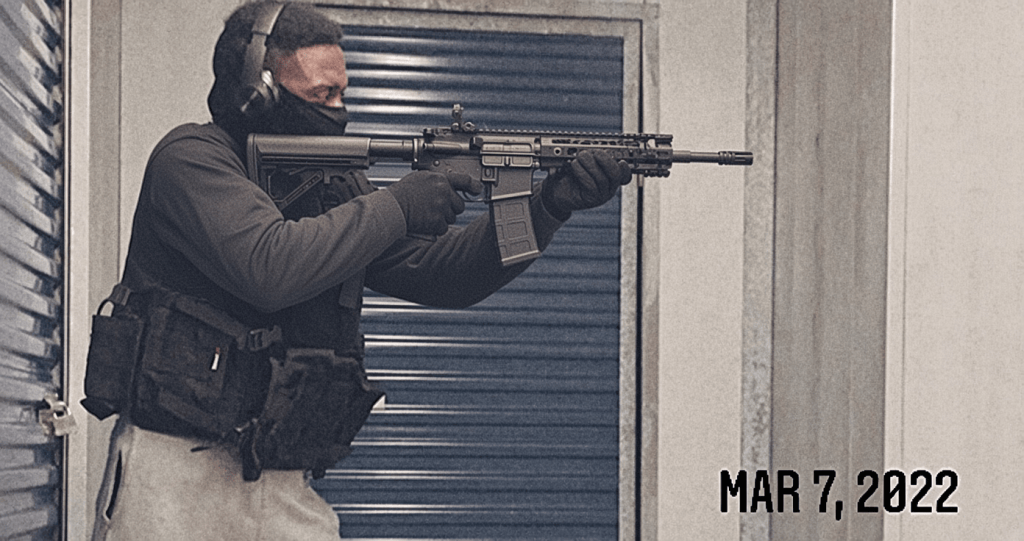
To become a licensed unarmed security guard in Florida, you must complete a state-mandated 40-hour Class “D” training course from a licensed security officer school approved by the Florida Department of Agriculture and Consumer Services (FDACS).
For armed security work, an additional 28-hour Class “G” firearms course is required.
Once training is completed, you submit your certificate, application, electronic fingerprints, and state fees ($97.75) to FDACS.
Combining the requirements of the Class D and Class G licenses results in a total of 68 hours of class work, with Florida Security School offering a bundle that costs $299.
The bundle includes the following:
Class D Course: 40 hours of unarmed security officer training covering legal awareness, patrol, and emergency procedures.
Class G Course: 28 hours of statewide firearms training covering safety, marksmanship, and legal use of force.
Range Qualification: In-person live-fire training and testing required for armed licensing.
The fees are broken down into the following:
1. State Licensing Fees (Bundled)
You can apply for both licenses simultaneously through FDACS:
- Class D Application Fee: $45
- Class G Application Fee: $112
- Fingerprint Processing & Retention Fee: $52.75 ($42 processing + $10.75 retention)
- State Total: $209.75 (If you applied separately later, you would have to pay the $52.75 fingerprint fee a second time).
2. Required Training Tuition
Tuition varies depending on the security academy or facility you choose, but average rates generally follow these ranges:
- Class D Course (40 Hours): $100 – $200
- Class G Course (28 Hours): $150 – $300
- Training Total: $250 – $500
3. Additional Required Costs for Class G
To legally obtain the Class G license, there are a couple of small hidden fees to complete the application packet:
- Physical Health Exam: A physician must certify you are physically fit to carry a firearm (usually $50 – $125 depending on your clinic).
- Range Fees / Ammo: Some schools bundle ammo into the tuition, while others charge an extra $20 – $40 for the live-fire qualification rounds.
Final Cost Estimate Summary
FDACS State Fees $209.75 (Fixed)
Combined Course Tuition $250.00 – $500.00
Physical Exam & Range Prep $70.00 – $165.00
Total Estimated Investment $530.00 – $875.00
How much money can you make to start?
The starting pay for an armed security guard typically ranges from $17 to $24 per hour, or about $35,000 to $41,000 per year for entry-level roles.
In the local Tampa area, average starting wages hover around $18 to $19 per hour, though specific offers change based on your location, shift times, and the type of property you guard.
Pay Breakdown by Tier
- Entry-Level / Standard: $17 – $21 per hour (Common for retail, commercial buildings, or general patrol)
- Experienced / Specialized: $22 – $28 per hour (Common for armored transport, banks, or night/rover patrols)
- High-End / Federal: $29 – $40+ per hour (Common for executive protection, government contracts, or specialized armed response)
What Affects Your Starting Pay?
- Licensing: In Florida, armed guards need a Class G statewide firearm license alongside a basic Class D security license. Extra training or military/law enforcement backgrounds push starting pay higher.
- Location: Major metros like Miami or high-cost coastal spots pay a few dollars more per hour than smaller inland towns.
- Risk Level: Transporting cash, protecting high-value assets, or working overnight shifts pays better than static post guard work.
A Day in the Life
A day in the life of a security guard involves a mix of routine checks, active patrols, and being ready to respond if something unexpected happens. While tasks change depending on whether they work at a quiet construction site, a busy corporate office, or a major event, most shifts follow a similar rhythm.
Morning: Check-In and Setup
- Arrival: Guards arrive early to change into their uniform, check their gear (like radios and notebooks), and attend a shift briefing.
- Handover: They talk with the outgoing guard to learn about any issues or special instructions from the previous shift.
- System Checks: They test security cameras, alarms, and access control gates to make sure everything works properly.
Midday: Patrolling and People
- Walking Rounds: Guards do regular walks around the inside and outside of the property to look for hazards, unlocked doors, or suspicious behavior.
- Access Control: They check IDs, sign in visitors, and make sure unauthorized people do not enter restricted zones.
- Customer Service: Many guards act as a helpful face for the building, giving directions or answering questions for staff and visitors.
Afternoon and Evening: Closing and Reports
- Final Sweeps: As the day winds down, guards lock up exterior doors, check parking lots, and secure equipment.
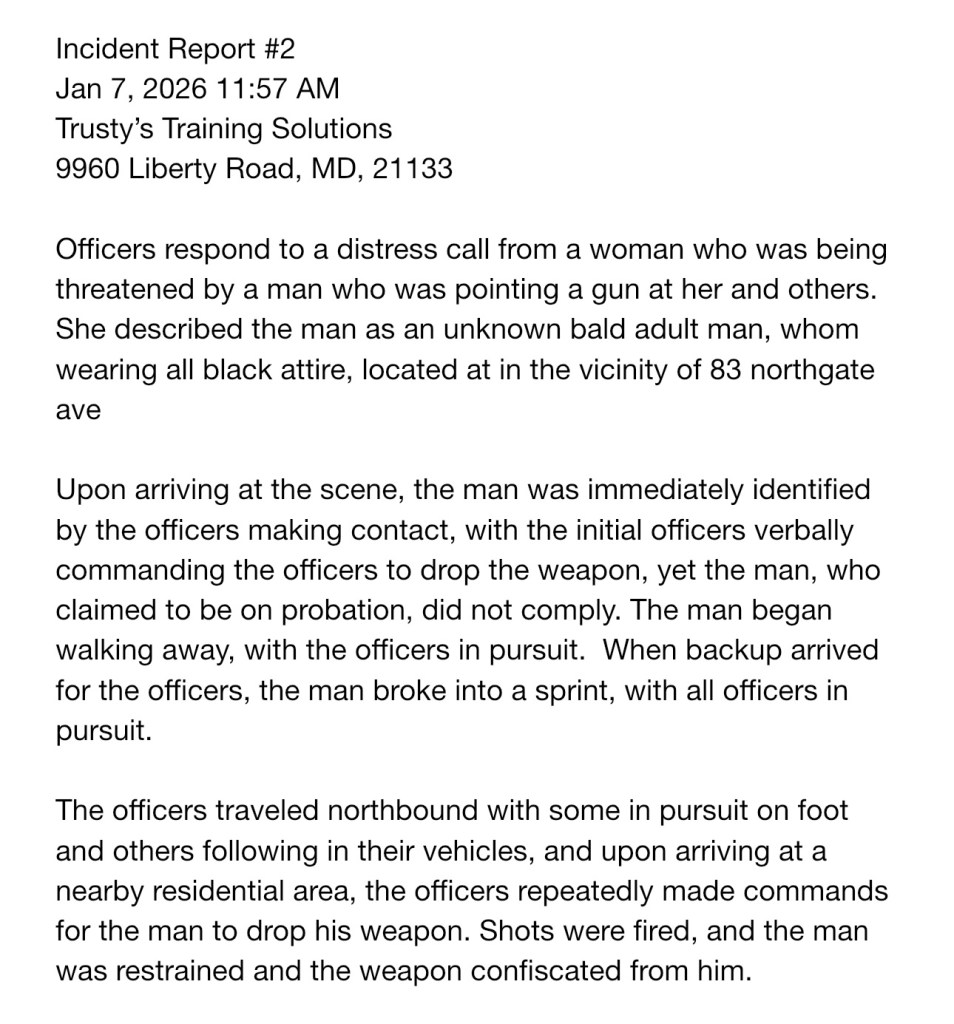
- Incident Reports: Before leaving, they write detailed logs of any visitors, maintenance issues, or unusual events that happened during their shift.
According to discussions online, the pace of the job varies a lot. Some shifts are very quiet and involve long hours of monitoring, while others require fast problem-solving.

While I already have an insurance company I want to work with, I still have to find a security company, which I haven’t really started working on since moving to Florida. Since I have the time this afternoon, I’ll start looking at companies and preparing to balance the work I do in the security industry with the work I do in insurance, and work I do in both my religious and my political communities.
 🩸
🩸 
Leave a comment