A History of Blood – Vol. 1, Chapter 4
Shifting the focus from employees into entrepreneurs
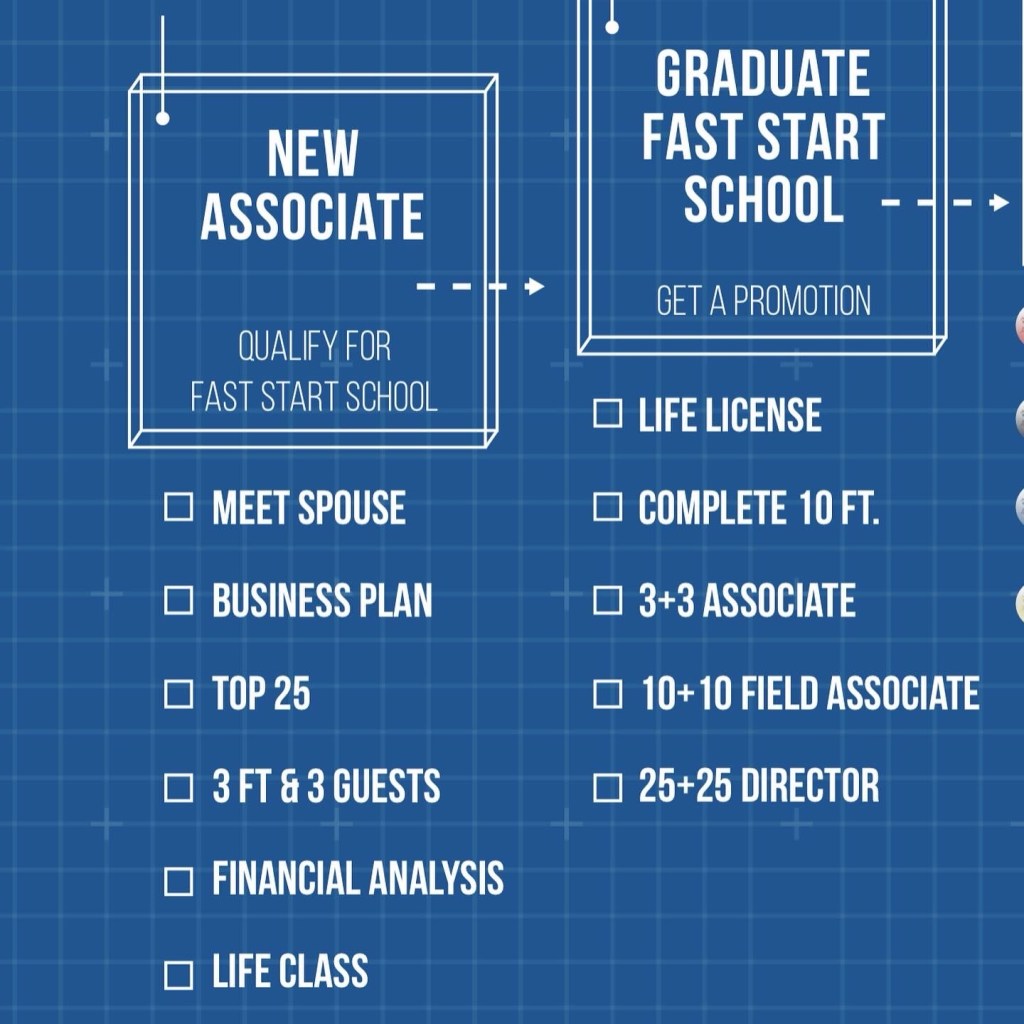
Early in my career as an insurance agent, I studied both the activity and instruction of other insurance agents, while also looking into their public relations, and comparing that to the corporate guidelines of the various companies I worked with over the course of my career.
Eventually, I realized that the blueprint provided by my Field Marketing Organization (FMO) was flawless, and that my lack of success was due to my failure to adhere to the blueprint, rather than there being flaws in the blueprint itself, so I endeavored to “try again”, this time approaching my business like a professional with an expectation of results.
The Blueprint forms a very basic business plan, which can be summarized as follows:
- Get your spouse involved (and insured), plan your retirement
- Draft a written business plan -> a defined strategy for lead generation
- Create a “working list” or Top 25, based on a “master list”, which is 200+ names
- Run “Training” Appointments for practice and referrals
- Run an Appointment on yourself for practice and
- Get licensed and appointed -> maintain your license through continuing education.
A Brief History
I started in the Insurance Business on April 16, 2018, after attending a Business Opportunity Meeting in Dallas, Texas. I had originally went to Dallas as part of an expansion team while I was working in the Consulting field, and for the most part, due to the amount of money I was making in consulting, the hassle of getting a license, and the temporary nature of my stay in Texas, I choose to focus more on consulting rather than starting the licensing process.
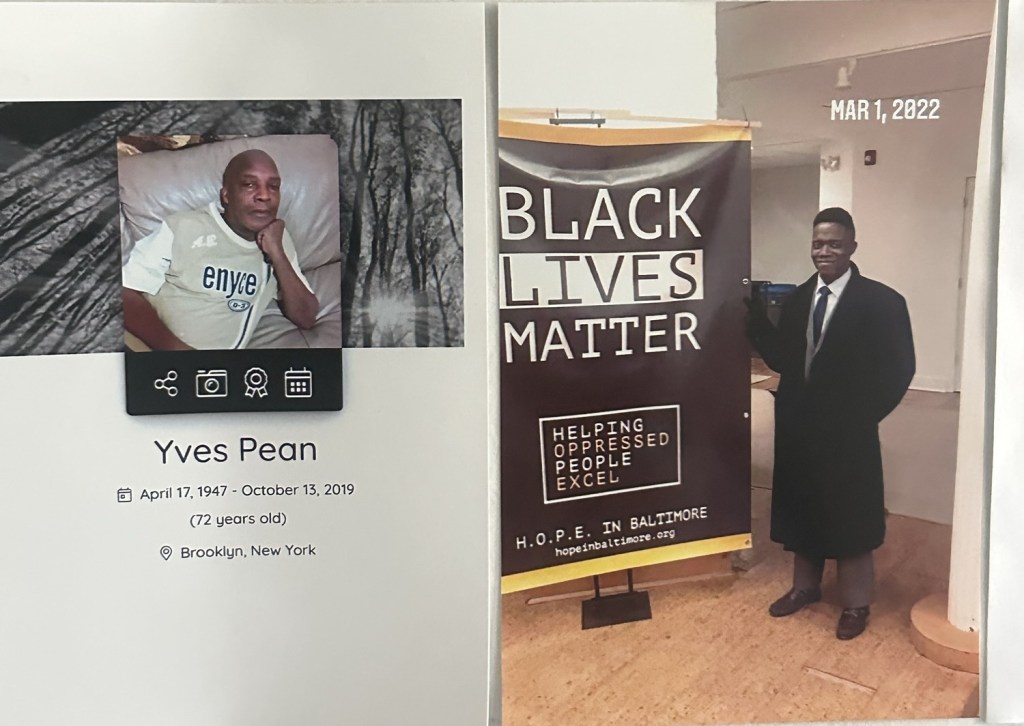
I eventually decided to take the Insurance Business more seriously after my grand-pere died.
He died on October 13, 2019, while I was still living in Texas, and because I was in a lease I stayed in Texas up until the beginning of the COVID-19 Pandemic, which I took as my signal to move back to the north.. During the pandemic, I stayed in New York for a few weeks, but I eventually decided to go back to Baltimore, since it would be easier to find work there.
When I first came back to Baltimore in about Jun 2020, I continued to work in Management Consulting, and I did that until the end of the year. In December of 2020, I switched back to working in retail, as it allowed for a better schedule, and despite finally making the decision to get my insurance license, I still needed to find a job first, both to build a list of prospects and to make enough money to endure the licensing and startup costs.
Eventually, I decided to get into Private Military Contracting, which eventually led to me joining the military for real in early 2022.
A private military contractor (PMC) is a company or individual providing armed security, military training, logistical support, intelligence, or even combat-related services to governments, corporations, or organizations, often in conflict zones, functioning as for-profit entities distinct from national military units, though performing similar roles like protection, training, and support for state forces or VIPs.
PMCs are registered businesses driven by profit, not political goals, meaning they have no real allegiances outside of the highest bidder, while having larger sense of agency due to the removal of the bureaucracy typically associated with military chain of commands or law enforcement reporting.
Offering services like armed guarding, tactical training, infrastructure maintenance (pipelines, convoys), and personal protection, some of the bigger contracts involve maritime security, embassy and or military bases, while some of the smaller contracts (aka entry level stuff) can be places like hospitals, malls, or corporate offices.
Serving in the Marines lead to me getting extensive training with a rifle (about 4 months) but most entry level PMC work involves the use of handguns more so than long rifles, meaning its time to round out my kit and training plan.
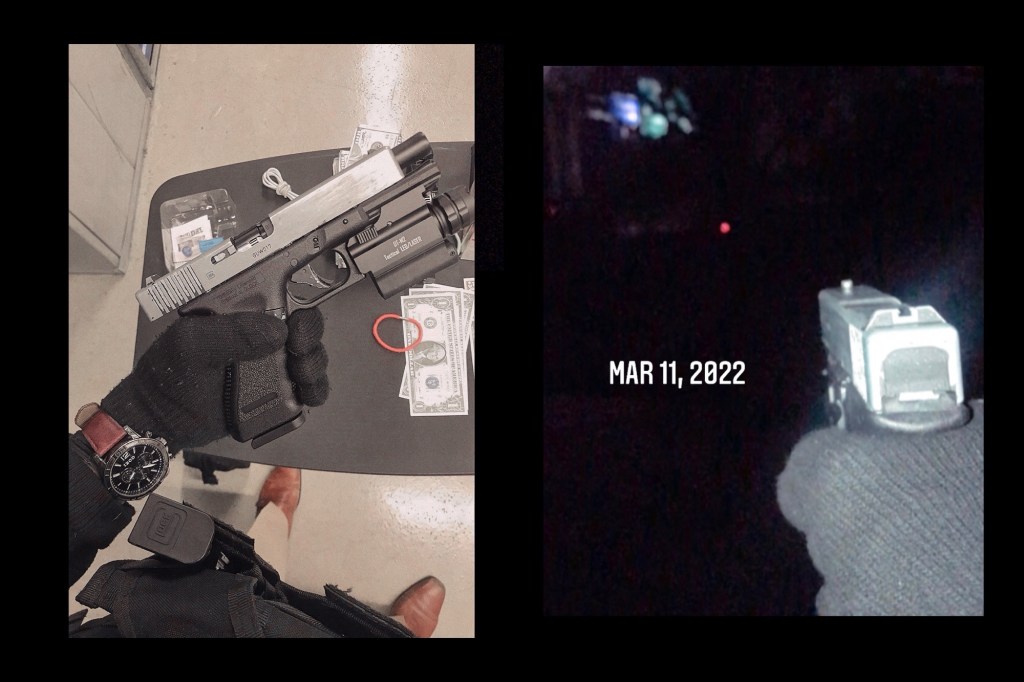
Previously I trained primarily with Glocks, which I like because the platforms are pretty modular, with the ability to add things like lasers, lights, and optics, although I am a fan of iron sights on pistols. I’d also LOVE a nickel-plated 1911, unfortunately it comes off more ceremonial as opposed to a duty pistol, but I definitely plan on getting on after I’ll completed my kit.
Historically, I’ve used a mix of virtual training, training with replicas, dry fire and live fire exercises, but I’ve done a poor job at documenting my training and leveraging past success, so that’s something I’d like to change moving forward.
 🩸
🩸 
Leave a comment